
so many steps

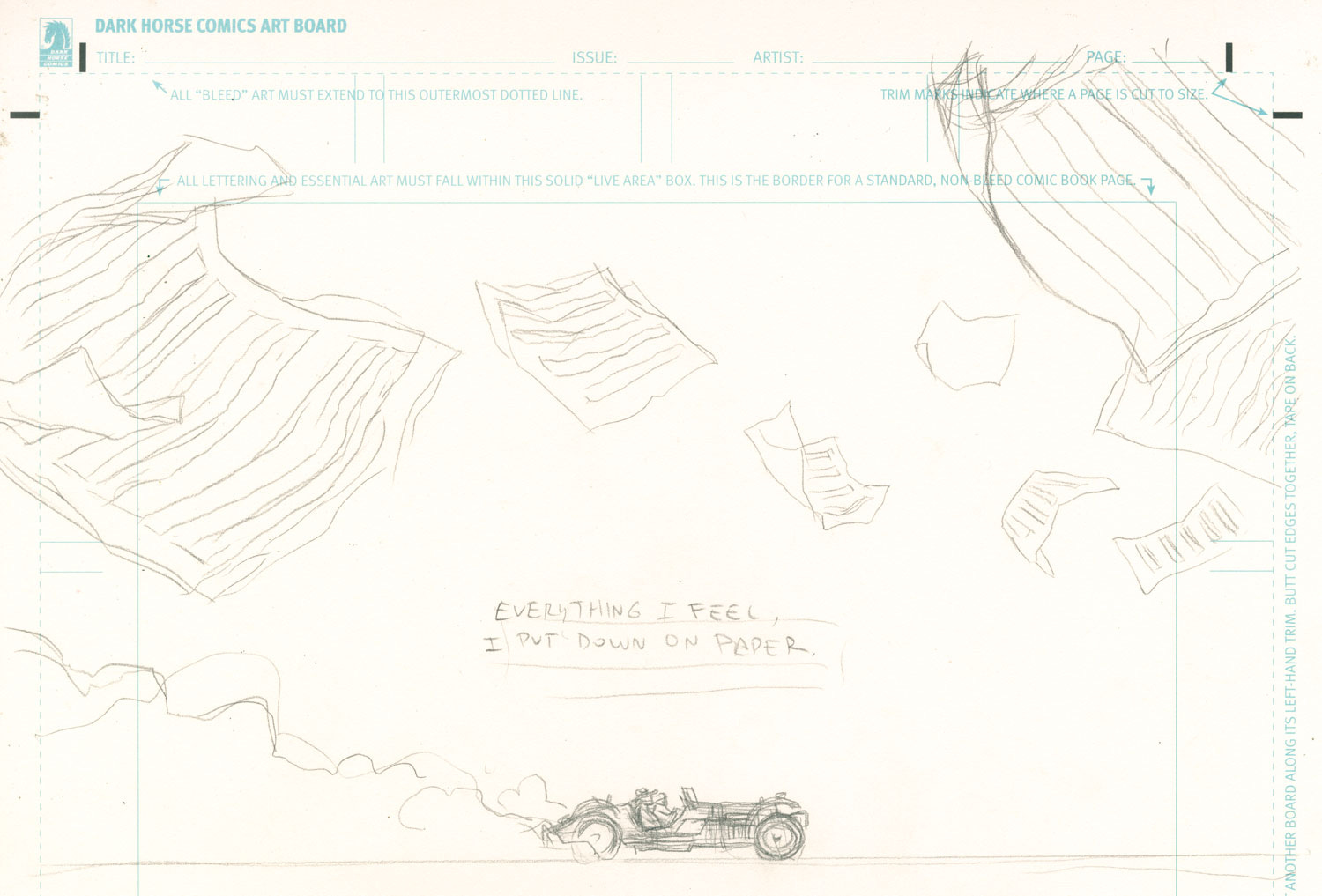
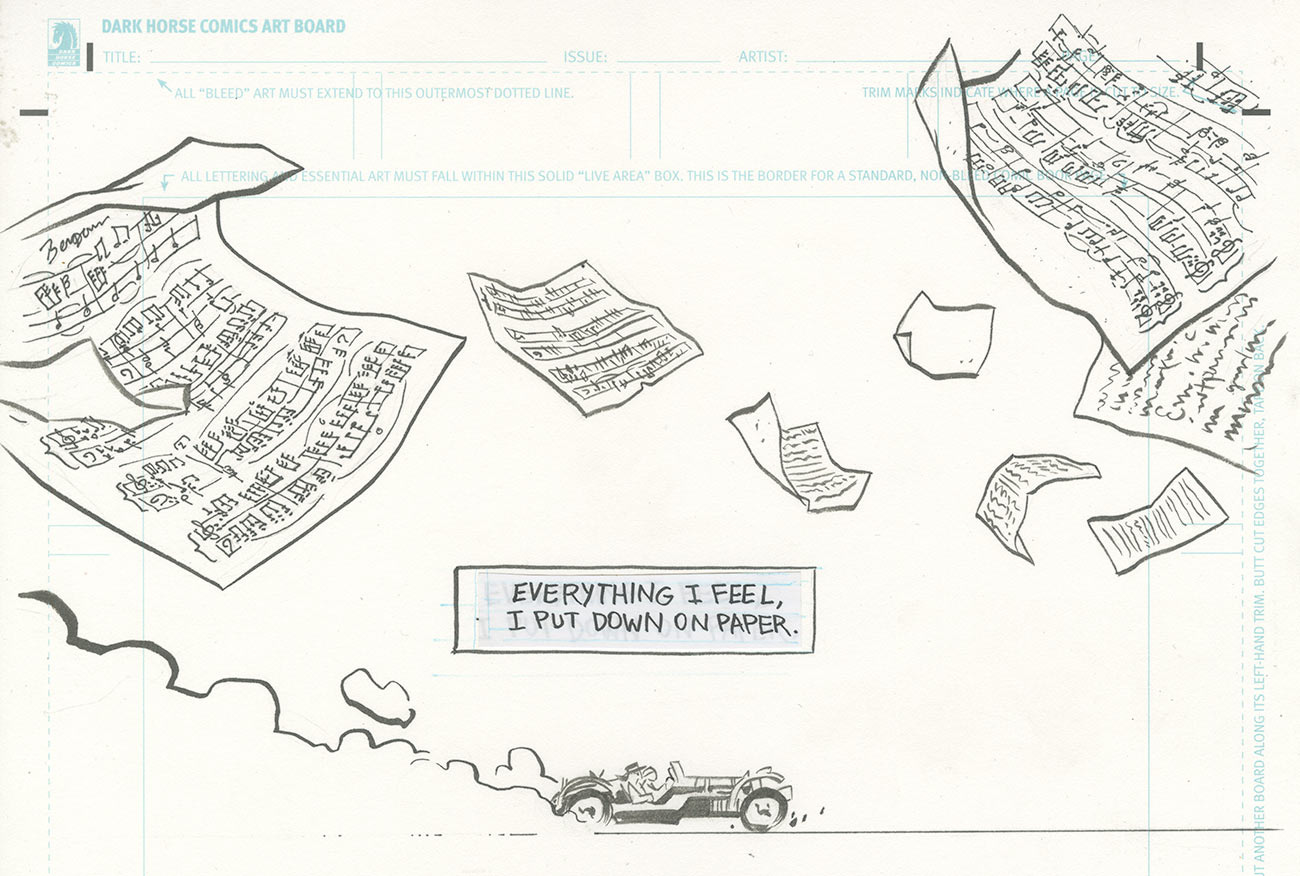
It can be overwhelming how many times we have to go over the same thing when doing comics. I do the layout of a page to figure out how it will work visually. Then I pencil the page (which can in itself involve many erasing and readings until I’m satisfied), then I ink the page, then I letter the page after I scan the page, and often these days I color the page either digitally on photoshop on paper with watercolors. The example panel I’m showing has lettering by hand, which is a way to combine some of the several stages of work into one – sort of, since I ink with a brush and letter with a nib.
I’m currently reading a script, and that also involves many steps.
First, I try to read the script as if I’m just reading a story, which means that I’m trying to be taken on the ride just as the reader, to see if I’m engaged and seduced by the narrative. My second read concerns the mechanics of comics, so I pay more attention in the description of the action (to think about the staging of the characters and the background in each panel), the number of panels on each page (which will determine how much space on the page the panels can occupy) and even the amount of words on each panel (writers can often write too much, thinking about dialogue similar to films and series, and in comics you just can’t fit all those words in one panel along with the drawings).
I do a third reading before actually starting the layout, where I just annotate how many panels each page has. I used to do this on the top margin of my printed scripts, so I could quickly know the amount of work on each page as I turned the pages, but nowadays, reading the script digitally, I’m writing on the layout page the panel count. It helps me to keep this information very visible on every page.
If there isn’t anything I have to search online for reference, I then start to draw. For stories I do for myself, I do small thumbnails, which nobody needs to understand but me, but to do the layouts to show the writer and the editor, I do layouts instead, which are bigger and have more details sketched on. I often sketch where I imagine the balloons will be, making sure there’s enough space for them (which is one of the main flaws of beginners, as they draw every inch of the panel and leave no room for the lettering).
going deep for a couple of weeks
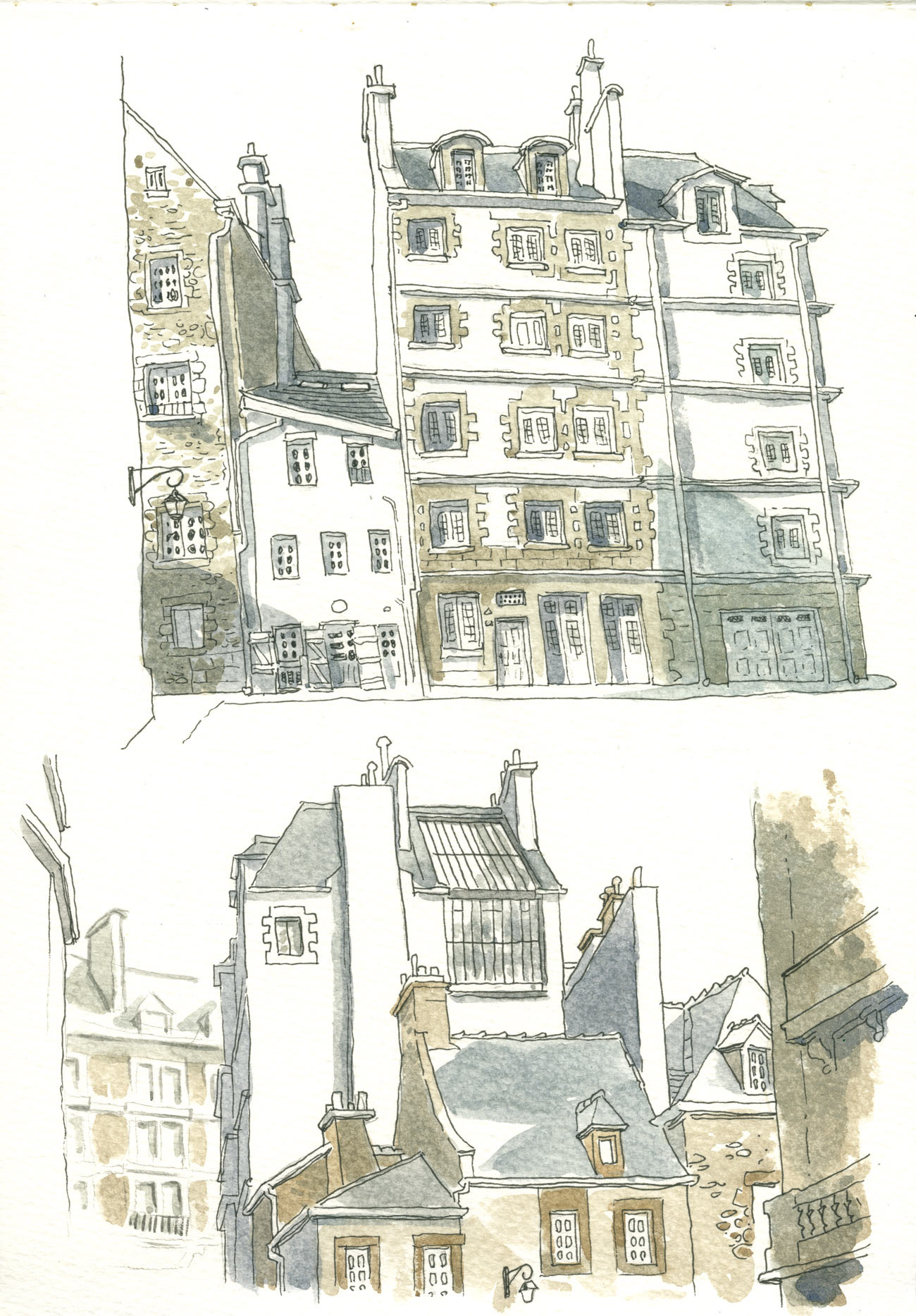
After I’m done with these layouts, I’ll start doing the visual research properly, and making sure I sketch all the characters and the main locations before I start to draw the pages. Hopefully, the research period will coincide with the time it takes for the writer and editor to give any feedback about the layouts.
If I’m not working on project A, I’ll be focusing on project B. At some point, when the inspiration muse fancies an appearance, I’ll keep working on the “personal-and-just-for-fun” project that illustrated this letter.
I’ll dive deep into the work for the rest of the month, so we’ll have a quiet couple of weeks here at the Moon Base.
Be safe, be kind, be curious.
Pa-ZOW!
Fábio Moon
Moon Base, São Paulo
March 16th, 2026