
Digital footprint

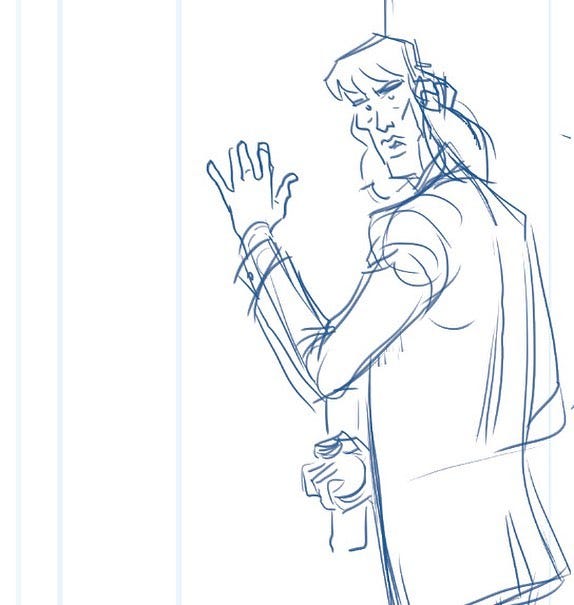
When I’m in the groove, my pencils come out fairly easy, and loose. I don’t need to put down a bunch of lines to understand what I want from a panel, and a lot of how the drawing looks in the end is done in the inking. I found in my Facebook memories these two images of the digital pencil stage of a Casanova panel from 10 years ago, and then the inked version on paper (where I printed a light blue version of the digital to ink over).
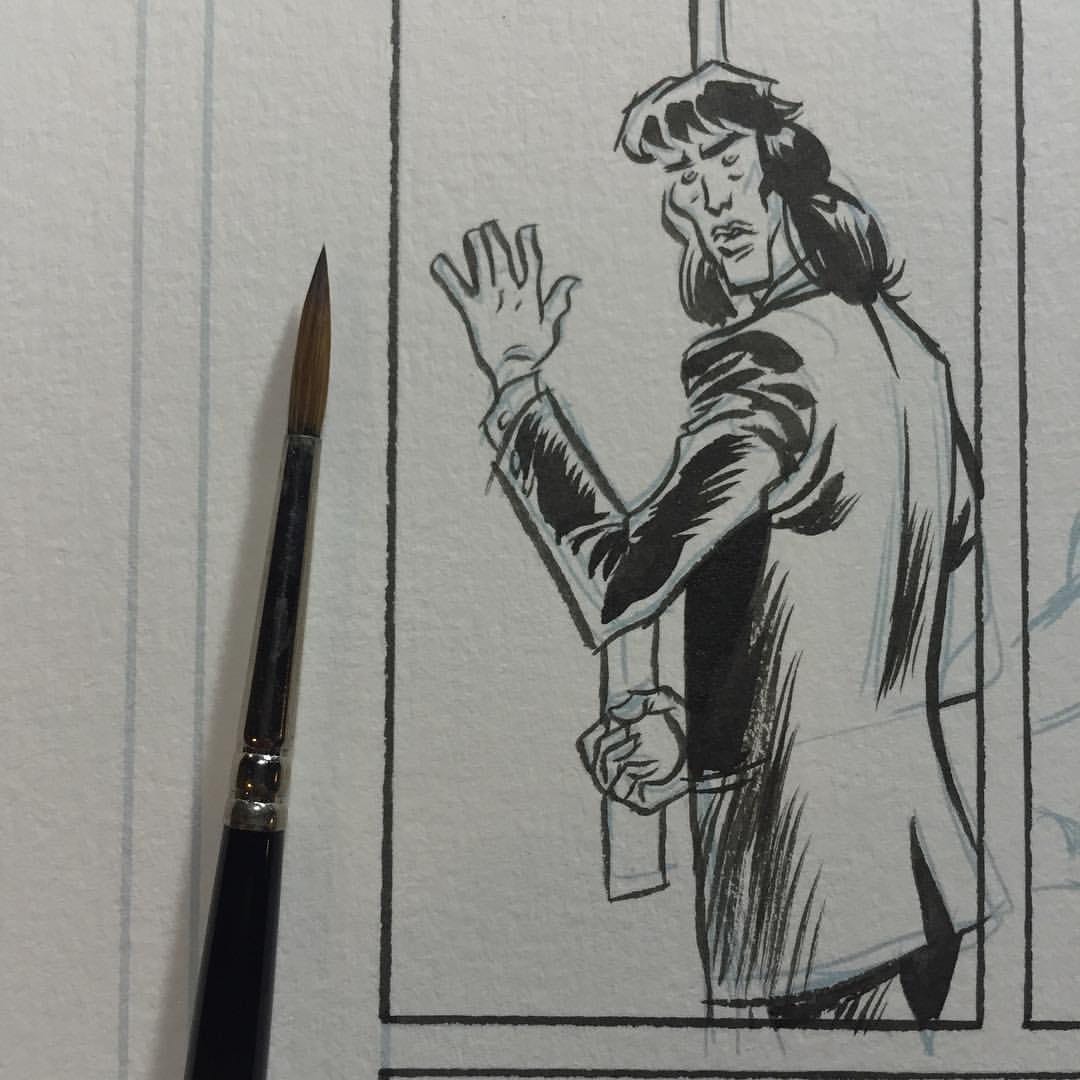
By this time, I was coloring my own pages on Casanova while Bá was coloring his, so I also could “draw” with the colors stuff I didn’t want to be overly outlined. The most easy example to point out is how I only determined the white in Casanova’s eyes with colors.
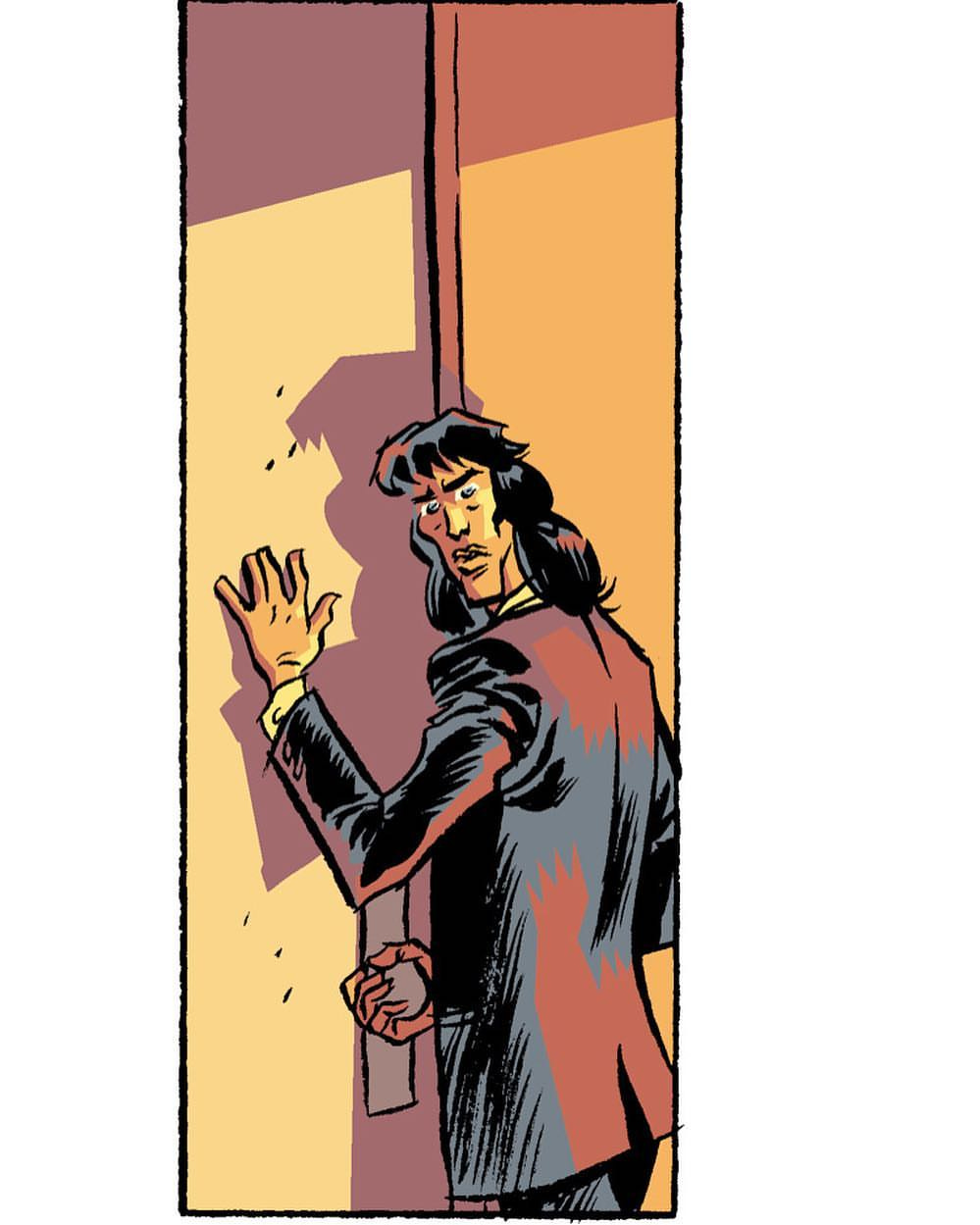
Isn’t it weird to think the initial and the final stages of my pages were digital, with the analog, paper based stage stuck in the middle? Draw it with a digital pen on a screen (on a Cintiq back then, on an iPad nowadays), print out the light blue version, ink with my Winsor & Newton series 7 brush, scan back into the computer and color it (on Photoshop) digitally. So many artists work that way, for various reasons (love for inking traditionally with the brush, like me, but also the relationship with the physical medium, or the possibility of selling the original art), that I suppose it’s normal.
Looking back
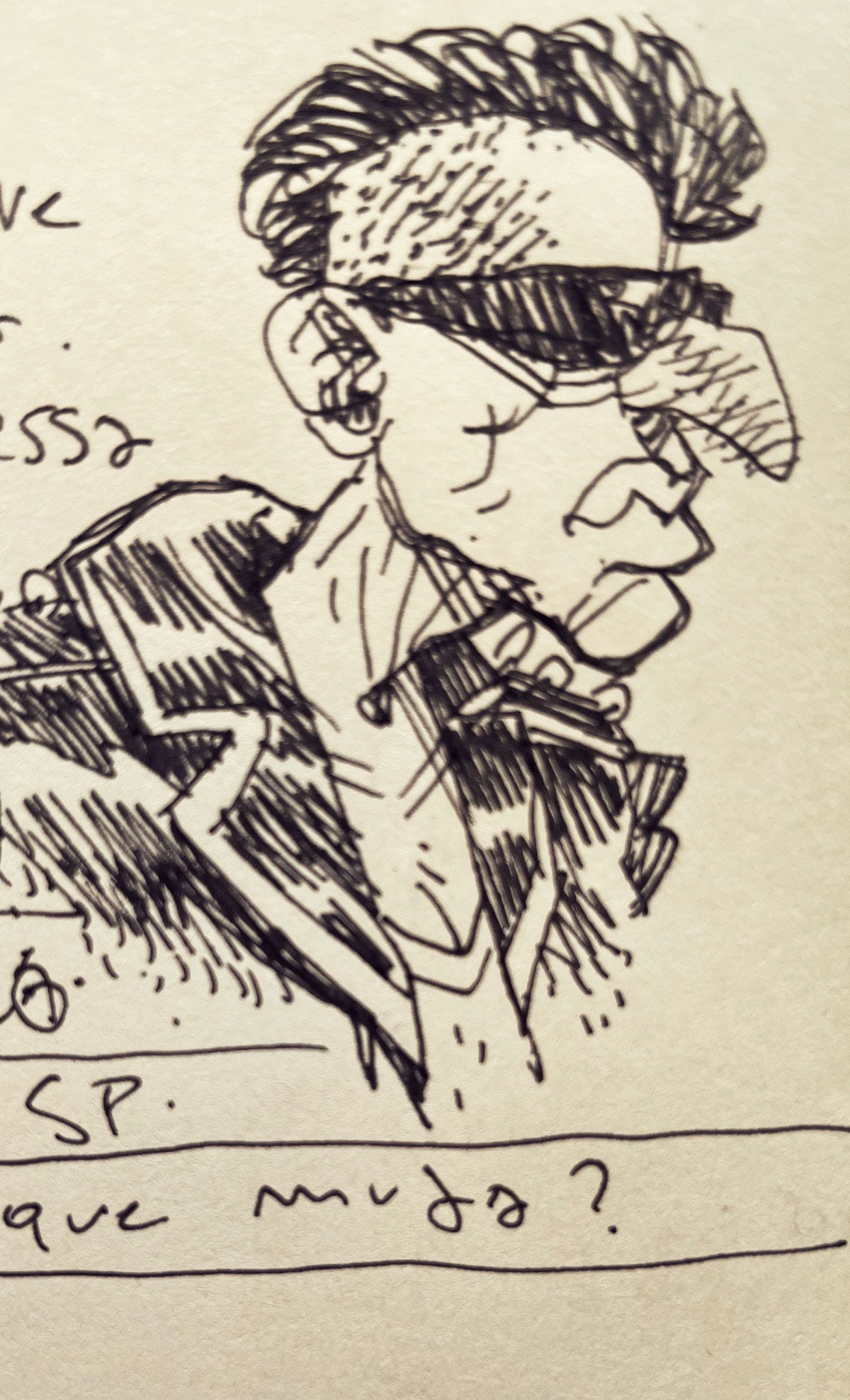
I was listening to this lengthy interview with Diana Schutz about Dark Horse’s history. and so many parts take me back down memory lane to when Bá and I were just starting out, trying to find a way into the American comic book market, and about how much of our path involves Dark Horse.
Back in Brazil, we discovered Dark Horse Comics in the early 90s because it was publishing Frank Miller and Mike Mignola’s comics, two creators we had fallen in love in super hero comics who were now doing creator owned stories (John Byrne’s Next Men also falls on that list). Super heroes were the majority of what we read back then, but on the other hand, at the same time all our Brazilian influences were of authors creating their own stories, so having a super hero creator doing their own stuff ticked all our boxes, specially in black and white (like the Hellboy mini series which ran on Dark Horse Presents, or Sin City).
The first Dark Horse editor we met was Randy Stradley, who was responsible for the portfolio review Dark Horse offered at San Diego Comic Con. We got on that line and had our portfolio reviewed for at least four years in our annual pilgrimage to San Diego (back then, the only real international entry point for artists from outside the US to show their work and meet editors and other artists). We only met Diana Schutz, who would come to be our editor in many projects, two or three years later, when 300 was coming out, and (again in San Diego) we approached Frank Miller’s signing table to talk to the blonde woman standing next to him, thinking she would probably be Lynn Varley, Frank’s colorist and partner, because we were doing Roland - Days of Wrath, our adaptation of the French medieval poem Chanson de Roland and we wanted to ask Lynn to color it, and the woman next to Frank turned out to be Diana, his editor. A happy accident that changed our trajectory.
If you think about how we discovered Dark Horse Comics because of super hero artists who went to do their own stories, the same can be said about Image Comics, and publishing Casanova at Image is also a journey that starts back then in the early 90s when Bá and I decided we wanted to make comics and tell our stories, but I’ll save more of that story for another letter.
Back to work.
Be safe, be kind, be curious.
Pa-ZOW!
Fábio Moon
Moon Base, São Paulo
May 18th, 2026